


Why estate planning is important for everyone
If something unexpectedly happened to you, who would take care of your children or beloved pet? What would happen to your home and the things you’ve spent years collecting? We all have people and possessions that matter to us. That’s why estate planning is for everyone, not just the wealthy. Here’s what you should know to help you get started.

Action | Description |
Choose/review beneficiaries | Naming beneficiaries for your retirement accounts, IRAs, and life insurance allows you—not your state’s laws—to decide who receives your money when you die. You can even assign backup (secondary or contingent) beneficiaries in the event your primary beneficiary passes before you. Most accounts with named beneficiaries avoid probate. |
Check titles and ownership | Depending on how your house, car, and financial accounts are titled, they may automatically transfer to another person when you die. For example, property and accounts set up as joint owners with rights of survivorship pass directly to the other owner, avoiding probate. Because laws can vary by state, you may want to work with an attorney or financial professional. |
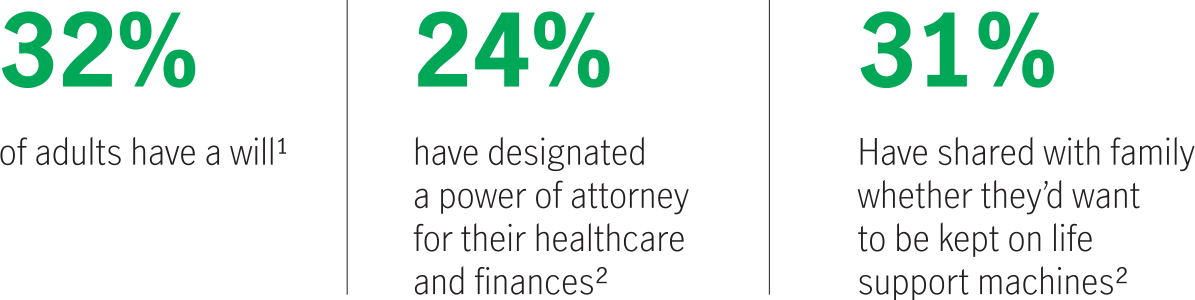
Choose a durable power of attorney | An individual with power of attorney can make financial and legal decisions (and sign documents) on your behalf. This person doesn’t have to be an attorney. It just needs to be someone you trust to act in your best interest, such as a close family member. |
Draft a will | A will outlines your final wishes, including who will receive your assets and act as guardian for your minor children. If you don’t have a valid will, state law and the courts decide, and the outcome may not be what you intended. |
Create a living will | A living will explains your wishes for life-sustaining medical care in the event you can’t make medical decisions for yourself. |
Appoint a healthcare proxy | A healthcare proxy is the person who makes medical decisions for you, including those described in your living will. It’s a big responsibility, so make sure the person you want is willing to take it on. |
Set up a trust | Whether a trust is right for you depends on your needs. For example, you may use a trust to hold assets for minor children until they’re old enough to take control of the money, provide for a beneficiary with special needs, or donate to your favorite charity. Trusts can be complicated, so consider working with an attorney or financial professional. |
Buy/review life insurance | Life insurance is critical if you have family members who depend on you financially. It’s a way to help ensure they’ll still be able to pay their bills and pursue their future plans in the event of your death. |
Get your finances in order | If you haven’t already, create a list of all your accounts, passwords, and key contacts, such as your doctor, financial professional, and attorney. And keep it with your other important documents in a secure location. This list can help save your loved ones time and ensure nothing gets missed. |