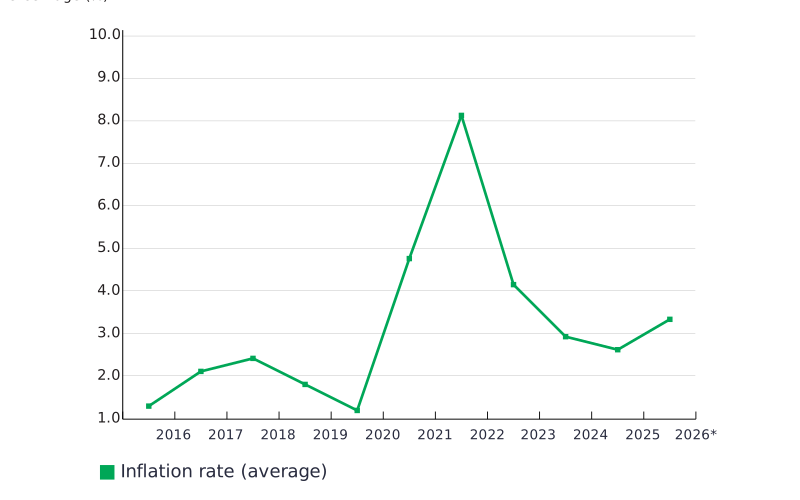
How can inflation affect your retirement savings?
Inflation can reduce the value of your retirement savings over time because future expenses may cost more than they do today. If your savings and investments don't grow at a rate that keeps up with inflation, your purchasing power may decline, meaning you may be able to afford less in retirement. This is especially important because retirement can last decades.
What can you do about inflation?
While you can’t control rising prices, you can control many of the financial decisions you make. Below are four ways to help manage inflation's impact on your wallet.
1 Look for opportunities to save
Consider ways you can reduce your daily expenses. Small changes, such as cooking at home more often, using store brands, reducing energy use, and avoiding impulse purchases, can help you keep more in your wallet.
2 Find ways to boost your income
Consider asking for a raise, pursuing a promotion, taking on a side gig, or selling items you no longer need. Even modest increases in income can help offset rising costs.
3 Keep saving and investing for retirement
By consistently saving and investing for retirement, you give your money the chance to grow through compounding, which may outpace inflation. This can help preserve your purchasing power so that your savings can support the lifestyle you want in retirement. Also, consider:
- Making annual catch-up contributions to your retirement account, if you’re eligible
- Automatically increasing your contribution rate each year, if your plan allows
- Diversifying your portfolio to help reduce investment risk
- Reviewing your portfolio with a financial professional to make sure you’re aligned with your savings goals, risk tolerance, and anticipated retirement date
4 Focus on improving your financial wellness
Taking steps to improve your overall financial well-being may help you weather periods of high inflation and reduce unnecessary spending. Consider creating a budget, paying down high-interest debt, building an emergency fund, or setting short-term financial goals to make them more manageable.
When inflation rises, focus on what you can control
Understanding how inflation affects your purchasing power can help you make more informed choices. Start by focusing on the things you can control, such as your spending habits, savings rate, and retirement contributions. Remember that making small, consistent changes can make it easier to navigate rising prices and stay on track with your long-term financial goals.